Subtitles? No Problem: Why American Fans Are Going All-In on Asian Streaming Shows
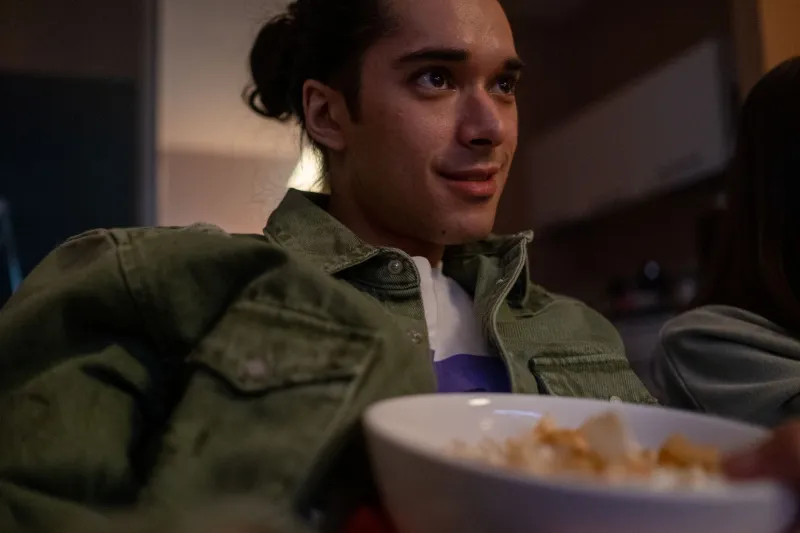
Not too long ago, convincing your American friends to watch a subtitled show felt like a hard sell. Fast forward to 2024, and those same friends are the ones texting you at midnight asking if you've seen the latest episode of a Thai romance or a Japanese thriller they stumbled across on Netflix. Something has fundamentally changed — and it goes way deeper than just a viral moment on TikTok.
Across the US, pan-Asian entertainment isn't a niche interest anymore. It's mainstream. And the ripple effects are showing up in places you might not expect: your Instagram feed, your local beauty store, your Hinge matches, and even the way people dress for brunch.
The Streaming Gateway Drug
Let's be real — Netflix deserves a massive chunk of the credit here. When Squid Game exploded in 2021, it wasn't just a cultural moment; it was a proof of concept. American audiences, long assumed to be allergic to subtitles, watched a Korean survival drama in droves and loved it. That opened a floodgate.
By 2024, platforms like Netflix, Viki, Crunchyroll, and Kocowa have built out robust libraries of Korean, Japanese, Thai, Filipino, and Vietnamese content specifically marketed to Western audiences. Viki in particular has become a community hub — not just a streaming platform. Fans don't just watch; they subtitle episodes, leave timestamped comments, and build parasocial relationships with casts across language barriers.
"I started on Viki because my Korean friend recommended a drama, and I literally could not stop," says Priya, a 28-year-old marketing coordinator from Austin, Texas. "Three years later I'm watching Thai BL series and Japanese slice-of-life shows. It's like a rabbit hole that keeps getting better."
That rabbit hole experience is by design. Recommendation algorithms on these platforms are increasingly cross-cultural, nudging viewers from a Korean rom-com toward a Taiwanese melodrama or a Japanese workplace drama without missing a beat.
Why These Stories Hit Different
So what is it about pan-Asian narratives that's resonating so hard with American viewers? Cultural analysts have a few theories — and they're more nuanced than "it's just the pretty actors" (though, let's be honest, that doesn't hurt).
Dr. Michelle Cho, a media studies scholar who focuses on Korean pop culture, points to what she calls "emotional specificity." "These shows take their time," she explains. "There's a patience to the storytelling — slow-burn romances, complex family dynamics, workplace hierarchies — that feels different from the rapid-fire pacing of a lot of American TV. Audiences are hungry for that."
There's also an authenticity factor. Shows like Japan's Midnight Diner or Korea's My Mister deal with loneliness, ambition, grief, and belonging in ways that feel genuinely human rather than formulaic. Meanwhile, lighter fare like Thai rom-coms or Korean fantasy dramas offer an escapism that's both visually lush and emotionally satisfying.
For many American fans, especially younger Gen Z viewers, there's also an element of cultural curiosity at play. Growing up in a more globally connected world, they're actively interested in how people live, love, and laugh in other countries — and serialized drama is an intimate window into exactly that.
Fashion, Beauty, and the "K-Drama Effect"
Here's where things get really fun. The influence of Asian streaming content isn't staying on the screen. It's walking out the door with viewers and showing up IRL.
Korean skincare — already a massive industry in the US — got another massive boost from drama fans who noticed the glass-skin glow on their favorite actors and immediately went searching for the products behind it. Brands like COSRX, Some By Mi, and Innisfree have seen sustained growth in the American market, and beauty retailers like Sephora and Target have dramatically expanded their K-beauty sections in response.
Fashion is following suit. The "clean, minimalist, soft" aesthetic that dominates K-drama wardrobes — think oversized blazers, neutral palettes, and perfectly tailored trousers — has become a go-to reference point for style content creators on TikTok and Pinterest. Japanese fashion subcultures like cottagecore-adjacent mori style and the sleek lines of contemporary Thai fashion are also finding their American fan bases through drama fandoms.
"I literally screenshot outfits from shows and bring them to thrift stores," laughs Danielle, a 23-year-old from Chicago who runs a small fashion account dedicated to drama-inspired looks. "My whole wardrobe has shifted. I used to wear a lot of loud prints. Now I'm very into the understated, put-together vibe."
Dating Culture Gets a Pan-Asian Remix
Okay, this one might surprise you — but stick with us. The slow-burn romance tropes common in K-dramas and Thai BL (Boys' Love) series are genuinely influencing how some American fans think about dating.
The concept of "will-they-won't-they" tension, extended emotional build-up before any physical intimacy, and deeply expressive (but restrained) declarations of affection have cultivated a new appreciation for patience in relationships among some viewers. Reddit threads and TikTok comment sections are full of fans lamenting that real-life dating doesn't feel as intentional or emotionally rich as what they see on screen.
It sounds dramatic — but it points to something real. These shows model a kind of romantic attentiveness that resonates with audiences who feel like modern dating culture is too fast, too casual, or too transactional.
BL dramas in particular have built enormous, passionate American fanbases — especially among LGBTQ+ viewers who find representation in Thai and Korean BL content that feels emotionally genuine, even when it's wrapped in fantasy or melodrama.
What's Next: The Crossover Era
The lines between "Asian content" and "American content" are starting to blur in exciting ways. American networks and studios are acquiring remake rights to popular Asian formats at a record pace. Netflix is co-producing shows with Korean and Japanese studios. American actors are appearing in Asian productions, and vice versa.
More importantly, Asian American creators are using the cultural momentum generated by international content to push for more authentic representation in domestic productions. The success of shows like Beef and The Brothers Sun on Netflix owes something — directly or indirectly — to the appetite for pan-Asian storytelling that international dramas have helped build.
For fans, the message is simple: the era of treating Asian entertainment as "foreign" or "niche" is over. It's just... entertainment. Great stories, beautifully made, that happen to come from a different part of the world.
And if you need a little help getting started? PanFun's got you covered. Pull up Viki, queue up something with a 9.0+ rating, and don't be surprised if you're still watching at 3 a.m. We warned you.