Glass Skin, Cushion Compacts, and the K-Beauty Takeover of American Vanities
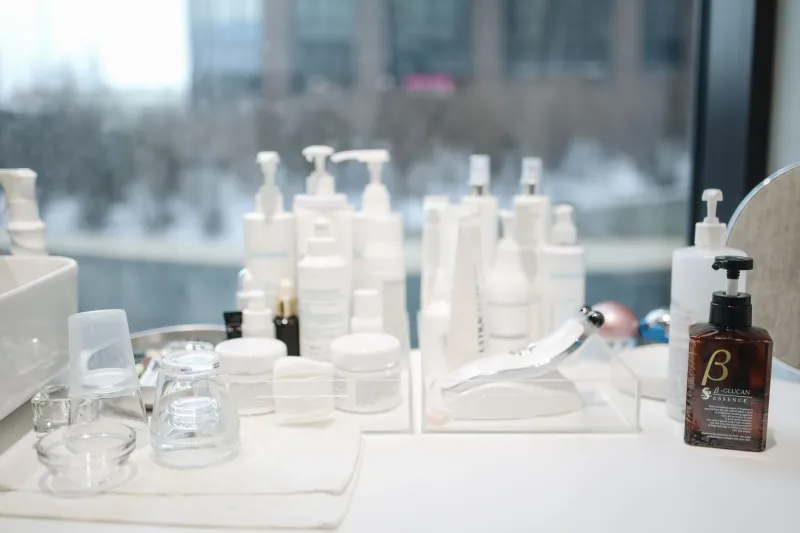
Walk into any Target or Ulta Beauty right now and something's different. The shelves that once centered heavy foundations and dramatic contouring kits now share prime real estate with tinted sunscreens, essence mists, and cushion compacts that promise a "lit from within" finish. That shift didn't happen by accident — and it didn't start in New York or LA. It started in Seoul, Tokyo, and Manila, and it traveled here one TikTok video at a time.
Asian beauty — broadly covering Korean, Japanese, Thai, Filipino, and other regional traditions — has gone from a niche obsession to a full-blown cultural reset for American consumers. And honestly? There's no going back.
How "Skincare First" Changed Everything
For decades, mainstream American beauty culture operated on a pretty simple premise: cover it up. Full-coverage foundation, heavy concealer, baked setting powder — the goal was a flawless mask. Then K-beauty walked in and said, what if your skin just... looked good?
The Korean philosophy of treating skin as the canvas — not the problem — flipped the entire approach. Suddenly, Americans were learning words like chok-chok (that dewy, bouncy skin texture Koreans obsess over) and investing in hydrating toners, snail mucin serums, and SPF moisturizers long before they reached for any color product.
"The biggest thing K-beauty exported wasn't a product — it was a mindset," says beauty influencer Mia Chung, who runs a skincare-focused channel with over 400K subscribers. "American consumers started asking 'why does my skin look like this?' instead of just reaching for more concealer. That's a massive shift."
Brands noticed. Tatcha, a Japanese-inspired luxury skincare line, became a Sephora bestseller. COSRX, a Korean brand once only available through import sites, now sits on shelves at CVS. The pipeline from Seoul to American bathrooms has never been more direct.
The Glass Skin Obsession
If one aesthetic defined the last few years of beauty culture, it's glass skin — that impossibly smooth, reflective, almost translucent look that went completely viral on TikTok. Search the hashtag and you'll find hundreds of millions of views of people layering watery essences, patting on ampoules, and finishing with a dewy setting spray.
Dermatologist Dr. Priya Anand, based in Chicago, has seen the trend reflected in her patients' questions. "People come in asking specifically for that glass skin effect," she says. "What's interesting is that achieving it actually requires genuinely healthy skin — good hydration, a consistent routine, sun protection. In a weird way, chasing an aesthetic trend has pushed people toward better skin health habits."
The products that fuel the glass skin look — hydrating serums, light-reflecting primers, cushion foundations with a natural finish — are now produced by both Asian indie brands and major Western players trying to keep up. MAC, Fenty Beauty, and even L'Oréal have launched dewy-finish and "skin tint" products clearly inspired by the K-beauty aesthetic.
Cushion Compacts: A Small Product With a Big Footprint
Few beauty inventions have had a bigger impact on American makeup bags than the cushion compact. Originally developed by Amorepacific in South Korea, the cushion — a compact that houses foundation or BB cream soaked into a sponge applicator — was designed for quick, portable touch-ups that leave a natural, breathable finish.
When it arrived in the US, beauty editors were skeptical. Would Americans really swap their full-coverage bottles for this? Turns out, yes — especially younger consumers who wanted coverage that didn't look like coverage.
"I haven't used a traditional liquid foundation in two years," says Jasmine Torres, a 24-year-old content creator from Miami. "My cushion compact gives me exactly what I want — a little evening out, some glow, and it takes 30 seconds. It just makes sense for how I actually live."
Now virtually every major Western brand offers some version of the cushion format. Lancôme, Charlotte Tilbury, and Dior all have cushion foundations in their lineups — a direct acknowledgment that the format, once considered distinctly Asian, is now universal.
Gen Z Is the Bridge
Why has this generation taken to Asian beauty so enthusiastically? Part of it is TikTok's algorithm, which surfaces content globally and has made Korean beauty routines and Japanese skincare rituals as familiar as any American brand's ad campaign. Part of it is a broader Gen Z openness to looking beyond US-centric pop culture — the same generation streaming Korean dramas and buying Japanese snacks at H Mart.
But there's also something deeper going on. Gen Z, broadly speaking, is skeptical of the heavy, heavily edited beauty looks that defined the Instagram era. The natural, skin-focused, "you but better" aesthetic that Asian beauty promotes aligns with where younger consumers already wanted to go.
"The appeal isn't just the products," says Mia Chung. "It's the whole philosophy. It's self-care as a ritual, not just a quick fix. That resonates with people who are tired of beauty feeling like work."
What's Coming Next
If the last decade was about K-beauty dominating the conversation, the next wave looks broader. Japanese skincare — built around simplicity, gentle formulas, and long-term results — is gaining serious traction. Brands like SK-II and Hada Labo have loyal American followings, and the concept of mochi skin (soft, pillowy, and perfectly smooth) is the newest aesthetic making rounds on beauty feeds.
Southeast Asian beauty is also having a moment. Filipino skincare brands emphasizing skin-brightening ingredients like niacinamide and kojic acid are finding audiences. Thai beauty, with its emphasis on natural botanicals and herbal ingredients, is quietly building a US presence.
The through-line connecting all of it? A commitment to skin health over skin masking, and a belief that beauty routines should feel good — not like a chore.
For American consumers who grew up with the idea that more product equals better results, that's a genuinely new way of thinking. And given how thoroughly Asian beauty has already reshaped the US market, it's a way of thinking that's clearly here to stay.
Your vanity might not look like it did five years ago. Honestly, it's probably better for it.