The Rec Center Is the New Arena: K-Pop Dance Crews Are Building Fandom One Eight-Count at a Time
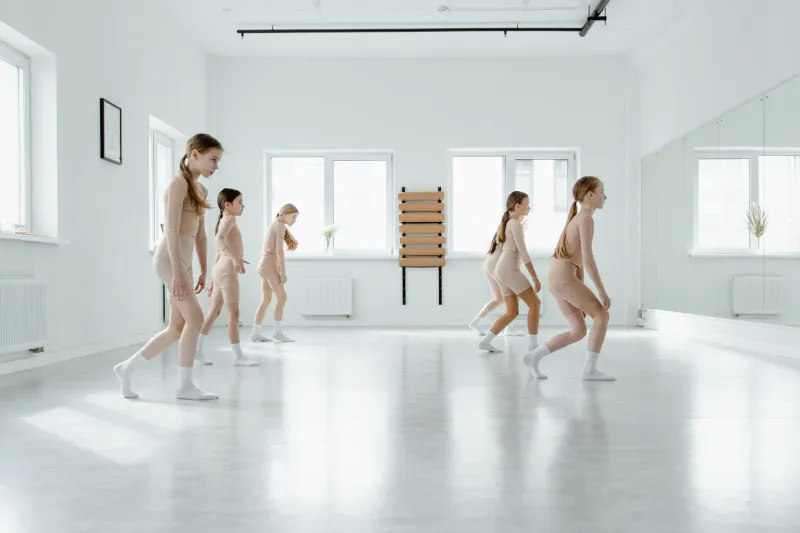
On a Tuesday night in 2026, a multipurpose room in a suburban rec center smells like floor wax and someone’s leftover iced coffee. A phone connects to a portable speaker. Eight people stand in a loose formation, waiting for the first beat. They are not auditioning for anything. They are learning a K-pop chorus, and they have paid a small drop-in fee to do it.
This is the other side of the K-pop boom in America. While arena tours sell out and merch lines wrap around arenas, a quieter scene is growing in community centers, college dance studios, and rented rooms above pizza shops. Cover crews and random-play-dance meetups are building a fandom that does not require a ticket—just a willingness to look a little silly for two hours.
The Tuesday-Night Formation
The format is simple. A crew leader teaches choreography in counts. Dancers drill the chorus, fix angles, and run it again. Some crews focus on one group; others bounce across eras and artists. Random-play dance events flip the script: the music starts, the crowd recognizes the song, and whoever knows the moves jumps in.
The skill levels vary wildly. A college freshman might be learning their first eight-count. A former competitive dancer might be refining isolations. A parent might be waiting in the hallway with a folding chair. The room accommodates all of it, which is part of the appeal.
Random Play Dance, Real Community
Random-play dance is the social engine of the scene. It turns spectators into participants and mistakes into bits. You do not need to know every move. You need to be willing to try, laugh, and step back when the choreography gets blurry.
Organizers say the meetups are especially valuable for people who feel priced out of official fandom. Concert tickets, travel, and merch add up. A $10 studio fee is a different equation. So is the friendship math: you see the same faces every week, learn their strengths, and start saving them a spot near the mirror.
What the Rec Center Teaches That the Arena Can’t
Arena shows are spectacular, but they are also passive. You watch, you cheer, you go home. A cover crew asks something else: show up, learn, and perform. That shift matters. Dancers learn timing, spatial awareness, and how to take a correction without spiraling. They also learn how to share a small room with people who have different bodies, schedules, and skill levels.
There is an opinion hiding in here, so let’s say it plainly: this is fandom at its most useful. It is not better than buying an album or streaming a comeback. It is simply more participatory. In 2026, when so much fan culture is mediated by algorithms and clip compilations, a room full of people counting 'five, six, seven, eight' feels almost radical.
When Covering Becomes Performing
The scene is amateur, but it is not casual about craft. Crews rehearse for showcases, campus festivals, and community events. Some film covers for social media; others keep the camera off. Leaders talk about formation changes and facial expressions. The best crews make space for both the dancer who wants to go viral and the dancer who wants a hobby that gets them out of the house.
That balance is the scene’s quiet achievement. It lets K-pop choreography be a social practice, not just a product. The moves are the excuse. The room is the point.
The Next Move
The growth story of 2026 is not just more crews. It is more infrastructure: beginner workshops, accessibility notes, all-ages events, and partnerships with local studios. The challenges are familiar—space is expensive, leaders burn out, and schedules collide. But the demand is clear. People want a place to dance that does not require a front-row ticket or a perfect body.
So the rec center lights stay on. The speaker charges. The count starts again. And somewhere between the mirror and the water break, a stranger becomes a dance partner. That is fandom you can actually hold.