Why Millions of Americans Feel Like They're Best Friends With Creators They've Never Met
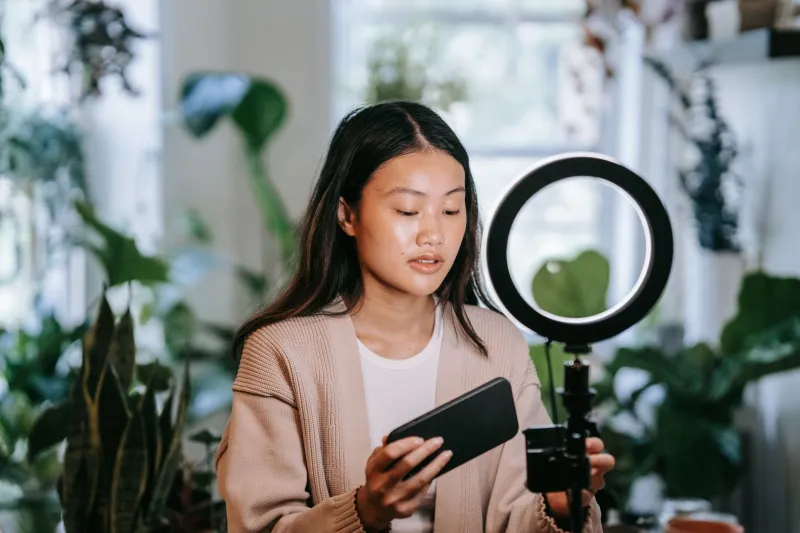
There's a specific kind of late-night rabbit hole that a lot of Americans know way too well. You open YouTube looking for background noise, and four hours later you're watching a South Korean woman eat an obscene amount of tteokbokki while chatting softly to her camera like she's talking to an old friend. You don't speak Korean. She doesn't speak much English. And yet somehow, you feel seen.
Welcome to the new frontier of parasocial relationships — and Asian creators are running the whole show.
The Mukbang Effect: Eating as Emotional Intimacy
Mukbang didn't just introduce Americans to Korean food. It introduced them to a completely different framework for what a content creator could be. In South Korea, the format emerged partly as a response to social isolation — people eating alone could turn on a mukbang and feel like they had company at the table. That origin story matters, because it baked a specific emotional intention into the format from day one.
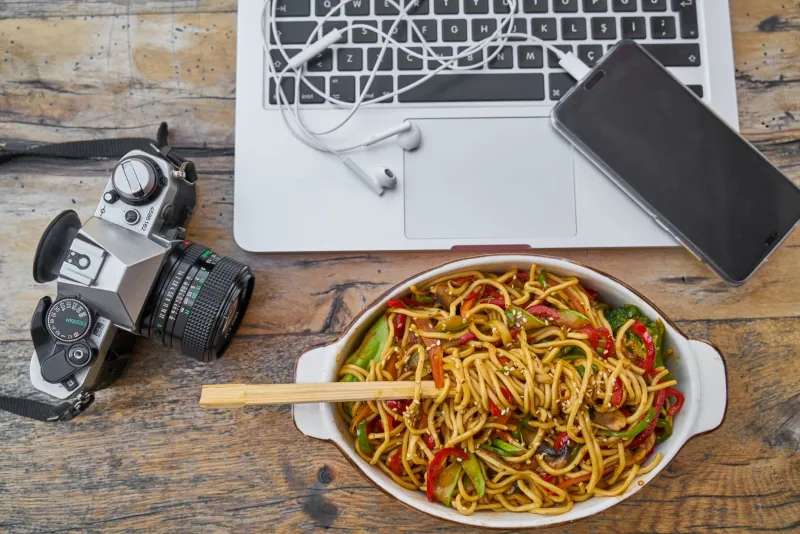
When creators like Boki or Hamzy sit down in front of their cameras, the meal is almost secondary. The real product being served is presence. They make eye contact with the lens. They chew slowly, describe flavors, pause to sip their drinks. It mirrors the rhythm of an actual shared meal in a way that a polished American food influencer — usually more focused on aesthetics and brand deals — rarely does. For American viewers who are themselves eating alone, scrolling through their phones, the effect is quietly profound.
Psychologists have a term for what happens next: parasocial interaction, where an audience develops a one-sided emotional bond with a media figure. But what Asian mukbangers trigger goes a step further. Viewers don't just like these creators — they feel cared for by them. That's a different animal entirely.
Filipino Vloggers and the Art of Letting You In
If mukbang is about shared meals, Filipino family vlogging is about shared life — in all its chaotic, emotional, frequently hilarious glory. Channels run by Filipino-American families or creators based in the Philippines have built enormous American fanbases by doing something that feels almost radical in the influencer economy: showing the hard stuff.
Debt. Homesickness. Complicated family dynamics. The exhaustion of OFW (Overseas Filipino Worker) culture. These aren't topics that fit neatly into a sponsored content calendar, and yet Filipino creators talk about them openly, sometimes tearfully, often while also cracking jokes five minutes later. That tonal whiplash — from genuine vulnerability to unfiltered humor — is deeply Filipino culturally, but it translates across borders with surprising ease.
American viewers, particularly younger ones who grew up watching hyper-curated Instagram feeds and are now deeply skeptical of performative authenticity, respond to this like a breath of fresh air. There's no filter on the emotion. When a Filipino creator cries because they miss their mom, you believe them. And when they laugh about it two minutes later, you laugh too. The relationship feels real in a way that a lot of mainstream Western influencer content simply doesn't.
Indonesian Creators and the Chaos Principle
On the wilder end of the spectrum, Indonesian content creators — particularly on TikTok and YouTube Shorts — have built massive international followings through prank culture, absurdist comedy, and a particular brand of energetic chaos that somehow never feels mean-spirited. Creators like Fiki Naki or the broader community of Indonesian prank channels have cracked into American For You pages in a big way, and the comments sections are a fascinating study in cross-cultural connection.
What draws American viewers in isn't just the humor — it's the warmth underneath it. Indonesian prank content tends to involve tight-knit friend groups or families, and even when someone's getting dunked on, the affection between the people involved is obvious. Americans watching from their couches get absorbed into these friend groups by proxy. They start recognizing recurring characters. They pick favorites. They feel the group dynamics. Before long, they're emotionally invested in people whose language they don't speak and whose country they've probably never visited.
That's parasocial relationships operating at full power.
What Western Influencer Culture Gets Wrong
To understand why Asian creators are so effective at building these bonds, it helps to look at what traditional Western influencer culture has historically prioritized: aspiration. The house, the car, the glowing skin, the perfectly plated avocado toast. American influencer content, especially in its peak Instagram era, was built around making viewers want to be the creator rather than feel close to them.
There's nothing wrong with aspirational content — it sells products, which is kind of the whole point. But it creates emotional distance. When everything looks perfect, you can admire from afar, but you can't really relate. And relating, it turns out, is what builds the kind of loyalty that has fans defending their favorite creators in comment sections, buying merchandise they don't need, and genuinely grieving when a creator takes a break.
Asian creators — whether by cultural design or practical necessity — often skip the aspiration part and go straight to connection. The production values are sometimes lower. The settings are ordinary. The conversations are meandering and unscripted. And paradoxically, that makes everything feel more valuable.
The Distance Paradox
Here's the part that's genuinely fascinating from a psychological standpoint: many American fans report feeling closer to creators who are literally on the other side of the planet than they do to domestic influencers they could theoretically run into at a Whole Foods.
Part of that is the parasocial dynamic itself — you can project a lot onto someone you'll never actually meet. But part of it is something more specific to cross-cultural content consumption. When you choose to spend time with a creator whose language and culture you're actively working to understand, you're making an investment. That investment creates attachment. You feel like you've earned the relationship in some way, which makes it feel more meaningful.
Language barriers, ironically, can deepen rather than break these bonds. When fans learn Korean words from their favorite mukbanger, or pick up Tagalog phrases from a Filipino vlogger, those little moments of linguistic connection feel like private jokes, like inside knowledge. The creator becomes a gateway to a whole world, not just a face on a screen.
What This Means for the Bigger Picture
The rise of Asian creators as masters of parasocial connection isn't just a fun internet trend — it's reshaping how Americans think about online relationships, cultural exchange, and what they actually want from the content they consume. These creators are proving that intimacy travels, that vulnerability is a universal language, and that the most loyal audiences aren't built through polish — they're built through presence.
For a generation of American viewers who are lonelier than any generation before them (the data on this is pretty bleak, honestly), the warmth coming through those screens from Seoul, Manila, and Jakarta isn't a small thing. It's filling a real gap.
And somewhere right now, someone in Ohio is on their third consecutive hour of a mukbang channel, genuinely feeling a little less alone. That's the magic. That's the whole thing.