Screens, Snacks, and Soul: How Asian Food Creators Are Changing the Way Americans Eat (and Watch)
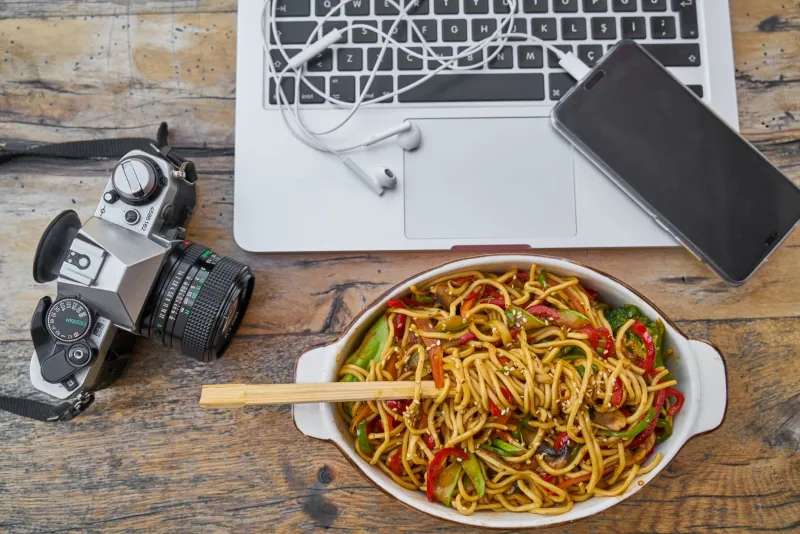
There's a solid chance you've been there. It's 11 p.m., you're not even hungry, and yet somehow you're thirty minutes deep into a video of someone in Seoul slurping an enormous bowl of jjajangmyeon with the kind of focus and satisfaction that feels almost meditative. You didn't plan this. You just ended up here. And honestly? Same.
Asian food content — mukbang, ASMR cooking streams, street food documentaries, market crawls — has quietly become one of the most-watched categories on the American internet. And it's not just a passing vibe. It's actively reshaping how Americans discover new cuisines, how they relate to food emotionally, and who they look to as the new faces of foodie culture.
What Even Is Mukbang, and Why Does It Have Such a Hold on Us?
For the uninitiated: mukbang (먹방) is a Korean portmanteau of the words for "eating" and "broadcast." It started around 2010 on South Korea's AfreecaTV platform, where streamers would eat large quantities of food on camera while chatting with their audiences in real time. The concept sounds almost absurdly simple. And yet it spread like wildfire.
By the mid-2010s, mukbang had jumped to YouTube and TikTok, pulling in international audiences who didn't speak a word of Korean but still couldn't look away. Part of the appeal is sensory — the sounds of crunching, slurping, and sizzling trigger a satisfying ASMR response in a lot of viewers. But there's something deeper going on too. Food has always been about more than just eating. It's about belonging, comfort, and sharing a moment with someone. Mukbang creators figured out how to bottle that feeling and beam it directly into your living room.
The American Audience Showed Up Big
American viewers didn't just passively stumble onto this content — they went all in. Channels like Bloveslife, Zach Choi ASMR, and SAS-ASMR (run by a Korean-American creator) have collectively racked up hundreds of millions of views. Bloveslife, known for her seafood boil mukbangs, became a genuine celebrity in her own right, landing brand deals and a cookbook. SAS-ASMR's whisper-soft eating videos have drawn audiences who say they watch her content to decompress after stressful days — essentially using food media the way previous generations used comfort TV.
What's interesting is the demographic spread. It's not just Gen Z on TikTok. YouTube analytics consistently show mukbang content pulling in viewers across age groups, and the comment sections are full of Americans describing the videos as a kind of digital companionship — something to put on during a solo dinner or a late-night snack session when the apartment feels too quiet.
Street Food Docs Are Doing Something Different — And Just as Powerful
On the more documentary end of the spectrum, Asian street food content has become its own genre. Creators and filmmakers documenting the night markets of Bangkok, the ramen alleys of Tokyo, the hawker stalls of Singapore, and the tteokbokki carts of Seoul have built enormous followings by treating everyday food vendors as the culinary artists they genuinely are.
Netflix leaned into this hard with shows like Street Food Asia from David Gelb (the mind behind Chef's Table), which applied prestige documentary filmmaking to the stories of street vendors. The result was content that felt both intimate and epic — the kind of food storytelling that American food media, with its Michelin-star obsessions and celebrity chef worship, hadn't really prioritized.
American viewers responded with genuine enthusiasm, and not just as passive consumers. Google Trends data has repeatedly shown spikes in searches for specific dishes — pad see ew, bánh mì, takoyaki — immediately following viral food doc moments. People weren't just watching. They were going out and eating.
New Palates, New Preferences
The influence on actual American food culture is tangible. Korean corn dogs (those wild deep-fried creations stuffed with mozzarella and coated in everything from ramen noodles to sugar) went from niche Korean-American food truck items to mainstream menu staples after mukbang creators started featuring them. Boba tea, already popular, saw another surge when ASMR content highlighting the sound of tapioca pearls getting sucked through a wide straw became its own micro-trend.
There's also been a noticeable shift in how Americans talk about Asian food. The conversation has moved — slowly but meaningfully — away from a monolithic "Asian food" bucket toward more specific, regionalized appreciation. Viewers who've spent hours watching content about Sichuan mala hot pot, Japanese convenience store culture, or Filipino lechon aren't mixing these things together anymore. They're curious about the specifics. That's a real cultural shift, and food content creators deserve a lot of credit for driving it.
The Digital Intimacy Factor
Here's the thing that makes Asian food content genuinely different from traditional Western food media: it's personal in a way that, say, a Food Network cooking show never quite managed to be.
Western food TV has historically been aspirational. You watch a celebrity chef make something spectacular in a gorgeous kitchen, and the implicit message is: wow, isn't that impressive. Asian food content — especially mukbang — flips that dynamic. The creator isn't performing expertise. They're sharing a meal with you. The scale is human. The setting is often a bedroom or a simple table. The food is frequently comfort food, not haute cuisine. And that accessibility creates a kind of warmth that cuts straight through the screen.
Psychologists have actually studied this. Research on parasocial relationships — the one-sided emotional bonds people form with media personalities — suggests that mukbang creators are particularly effective at generating these connections because eating is such a vulnerable, intimate act. Watching someone eat, especially when they're clearly enjoying themselves, triggers empathy and a sense of shared experience in ways that watching someone cook or critique food simply doesn't.
What Comes Next
Asian food content isn't slowing down. If anything, it's evolving. Short-form content on TikTok and Instagram Reels has introduced a new generation of creators who are blending mukbang energy with recipe tutorials, restaurant reviews, and cultural storytelling in ways that feel fresh and fast. Filipino creators are putting adobo and sisig on the map. Vietnamese creators are making pho look like the most beautiful thing you've ever seen. Chinese creators are introducing American audiences to regional cuisines most people had never heard of.
And American audiences? They're still watching. Still searching for the restaurants. Still showing up at the Asian grocery store with a list of ingredients they first saw in a video at midnight.
Food has always been one of the most direct routes into another culture. Asian food creators figured that out and ran with it — and the American foodie landscape is genuinely better, more curious, and more delicious for it.