Headphones After Midnight: Why Asian Ghost Stories Became America’s Coziest Scare
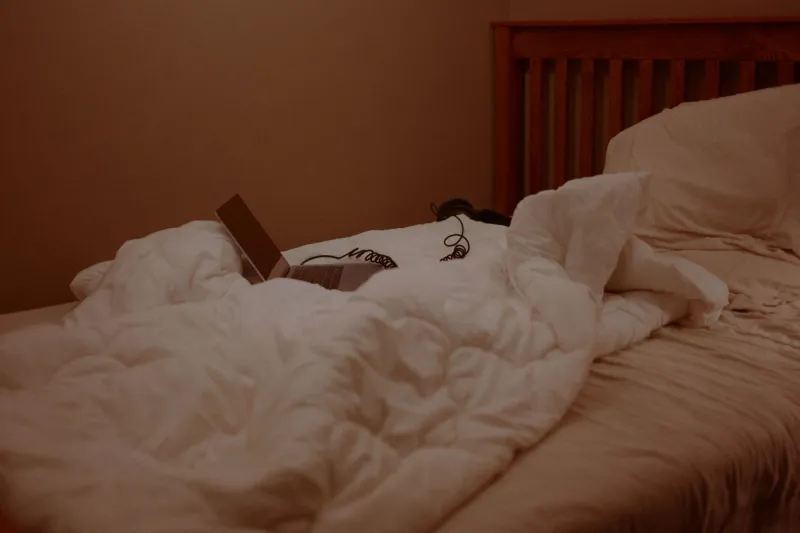
At 12:40 a.m., the apartment is quiet except for a voice in your headphones. It is telling a story about a woman in a white dress, a borrowed umbrella, a house that should not be there. There is no jump cut, no orchestra stab. Just a narrator, a pause, and the soft click of a story settling into the dark.
This is how a lot of Americans are ending their nights in 2026: not with a slasher sequel, but with an Asian ghost story. Folklore podcasts, YouTube horror narrators, and anthology shows have turned the late-night scare into a ritual. The appeal is not only fear. It is comfort—the comfort of a story that knows its own rules, its own ancestors, and its own idea of what haunts us.
The Scare That Whispers
American horror has long loved the loud scare. The masked killer, the sudden crash, the sequel setup. Asian ghost stories often work differently. They build unease. They linger on a hallway, a family secret, a debt unpaid. The ghost may be frightening, but it is also sad. It may be a warning about greed, neglect, or a promise broken.
That slower register suits headphones. You cannot see the monster, so you imagine it. You cannot rely on a jump cut, so you lean into the voice. Late at night, with the lights off, the whisper is scarier than the scream—and gentler, too.
From Folklore to Feed
The boom did not start in 2026. Asian horror has traveled through American screens for decades, from cult films to streaming hits. But the podcast and YouTube wave has changed the scale. Narrators translate oral traditions into episode-length stories. Anthologies gather regional tales. Comment sections turn into recommendation threads.
The result is a new kind of late-night library. You can queue up a Japanese yokai story, a Filipino aswang tale, a Korean ghost legend, or a Vietnamese family curse. Some are adapted; some are original. The best ones treat folklore as living material, not a costume.
Why Comfort and Creepiness Share a Bed
It sounds odd to call ghost stories cozy. But comfort and creepiness are not opposites. Both depend on ritual. You make tea, dim the lights, press play. You know the shape of the episode. You know the narrator’s voice. The scare is real, but it is contained.
There is also the comfort of cultural recognition. For listeners with Asian heritage, these stories can feel like a hand on the shoulder—familiar monsters, familiar warnings, familiar aunties telling you not to whistle at night. For listeners without that background, the stories offer a doorway. They are not academic lectures. They are tales, and tales are how cultures travel.
The Cultural Connection in the Dark
The best Asian ghost-story podcasts do not flatten regional differences into a generic 'Asian horror' blur. They name places. They explain customs. They let a story be specific. That specificity is what makes the scare land. A ghost in a sarong, a shrine at the end of the lane, a funeral rite performed wrong—these details are not decoration. They are the story’s logic.
In 2026, that specificity is also a corrective. American pop culture has a habit of taking the spooky parts of Asian horror and leaving the meaning behind. The podcast scene is harder to strip. The voice keeps talking. The context keeps coming.
The Gentle Horror We Need Now
This is the opinion part: Asian ghost stories are popular right now because they offer a gentler kind of fear. The world is loud. The news is loud. A jump-scare franchise can feel like more noise. A whispered ghost story feels like a hand on the volume knob. It scares you, then it settles you.
That does not make it soft. The stories can be brutal. They can be sad. They can end with no rescue. But they usually end with a lesson, a memory, or a door left slightly open. That is a different emotional contract than the endless sequel. It is horror that remembers the human underneath the haunting.
What to Queue Up After Midnight
Start with an anthology series that credits its sources. Look for narrators who name the region and the tradition. Try a single-story episode before a full season. And do not be surprised if the scare follows you into the morning. The best ghost stories do not just keep you up. They give you something to think about when the sun comes up.