The 9 P.M. Picnic: How Asian Night Markets Became America’s Saturday-Night Habit
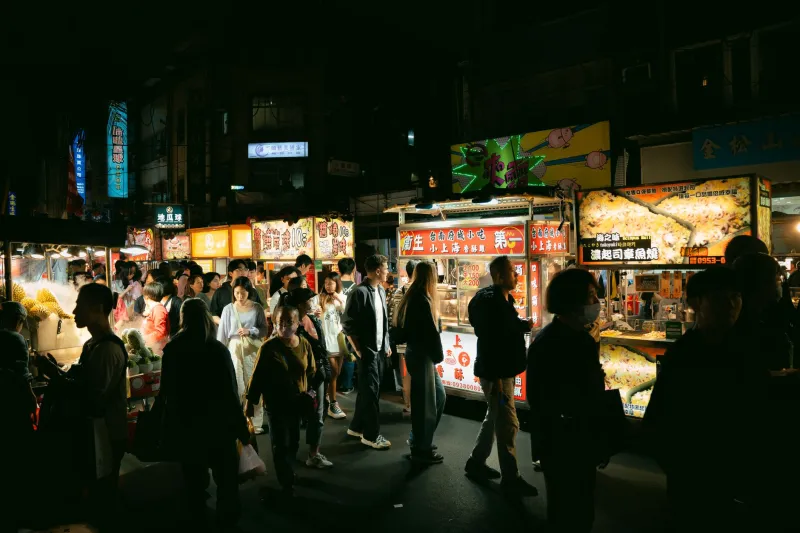
On a cool Saturday in 2026, the line for garlic noodles snakes past a folding table of mango sticky rice and a kid in a Dodgers cap practicing a dance move near the trash cans. This is not a restaurant. It is a night market in a Los Angeles parking lot, and the crowd is treating it like both dinner reservation and concert. Across the country, similar scenes are unfolding in Houston strip malls, Queens plazas, and Seattle lots. Asian night markets have become America’s new weekend ritual—less a seasonal novelty than a standing appointment.
The New Saturday-Night Block Party
Night markets have deep roots in Asian street commerce, where vendors sell grilled skewers, noodles, sweets, and practical goods after dark. In the U.S., the format has mutated into something broader: part food festival, part nightlife, part community fair. Organizers in 2026 are booking DJs, setting up photo walls, and coordinating with local transit agencies. The result feels less like a farmers market and more like a block party with a passport.
What makes it work is density. You can eat takoyaki, drink Vietnamese coffee, buy a handmade keychain, and hear a K-pop cover crew in one loop. Families arrive at 6 p.m.; college students arrive at 9. The market changes personality by the hour.
Vendor Stories: First Timers and Family Recipes
The vendor mix is the heart of the boom. Some booths are run by restaurant owners testing a side concept. Others are family operations hauling grandma’s recipe into a commercial kitchen for the first time. A Houston organizer says applications now include everything from Filipino barbecue pop-ups to Japanese curry stands. The common thread is speed: small menus, cash-friendly flow, and a story customers can hear while waiting.
For first-time vendors, night markets are lower-risk than a brick-and-mortar lease but still demanding. Permits, generators, and food-safety rules matter. The best markets pair new sellers with experienced ones, sharing tips on line management and portion sizes. That backstage cooperation is part of the appeal.
Why Gen Z Shows Up Like It’s a Concert
Gen Z treats night markets as content and community at once. The visual math is obvious: neon signs, steam, color, crowds. But the deeper draw is low-pressure socializing. You don’t need a ticket or a table. You can drift, sample, and leave. Random-play dance circles and live DJ sets turn waiting into hanging out.
Organizers have noticed. In 2026, many markets post vendor maps on social media, sell early-access passes, and invite local creators to host meetups. The risk is obvious—hype can outrun infrastructure. The reward is a younger crowd that sees the market as a recurring habit, not a one-off outing.
The Balancing Act: Authenticity, Safety, and Hype
Night markets face a tricky set of expectations. Customers want 'authentic' food, but authenticity is not a single thing; it is family recipes, regional variations, and American adaptations. Organizers say the better question is whether vendors are respected, paid, and given room to explain their food. Safety adds another layer: crowd control, fire codes, handwashing stations, and clear exits. The best 2026 markets hire enough staff to keep lines moving and garbage from becoming a landmark.
Then there is the hype cycle. A market that goes viral can draw thousands, which is great for vendors and miserable for anyone stuck in a parking garage. Some organizers now use timed entry, wider aisles, and separate pickup lanes. The goal is not to kill the vibe. It is to keep the vibe from collapsing under its own success.
The 2026 Map: Five Cities to Watch
Los Angeles keeps expanding its night-market calendar, with food-forward events in Koreatown and beyond. Houston’s diversity gives it one of the country’s most interesting vendor lineups. Queens remains a borough-sized buffet, with markets that feel like neighborhood reunions. Seattle’s summer-to-fall markets lean into seafood and seasonal produce. And smaller cities—Columbus, Sacramento, Orlando—are building their own versions, often with college crowds and local Asian-American small businesses leading the way.
The Ritual That Keeps Going
The phrase 'night market season' is becoming obsolete. In 2026, markets pop up in spring, peak in summer, and reappear for lunar new year, fall festivals, and holiday weekends. That flexibility is the point. Night markets are not just about eating late. They are about a city loosening its collar, handing you a paper plate, and saying: stay a while.